A short letter every Wednesday: one thing about the islands, explained at the kitchen table.
Why the ferry is late, and who decides
No. 4611 min read
Bula, dear reader,
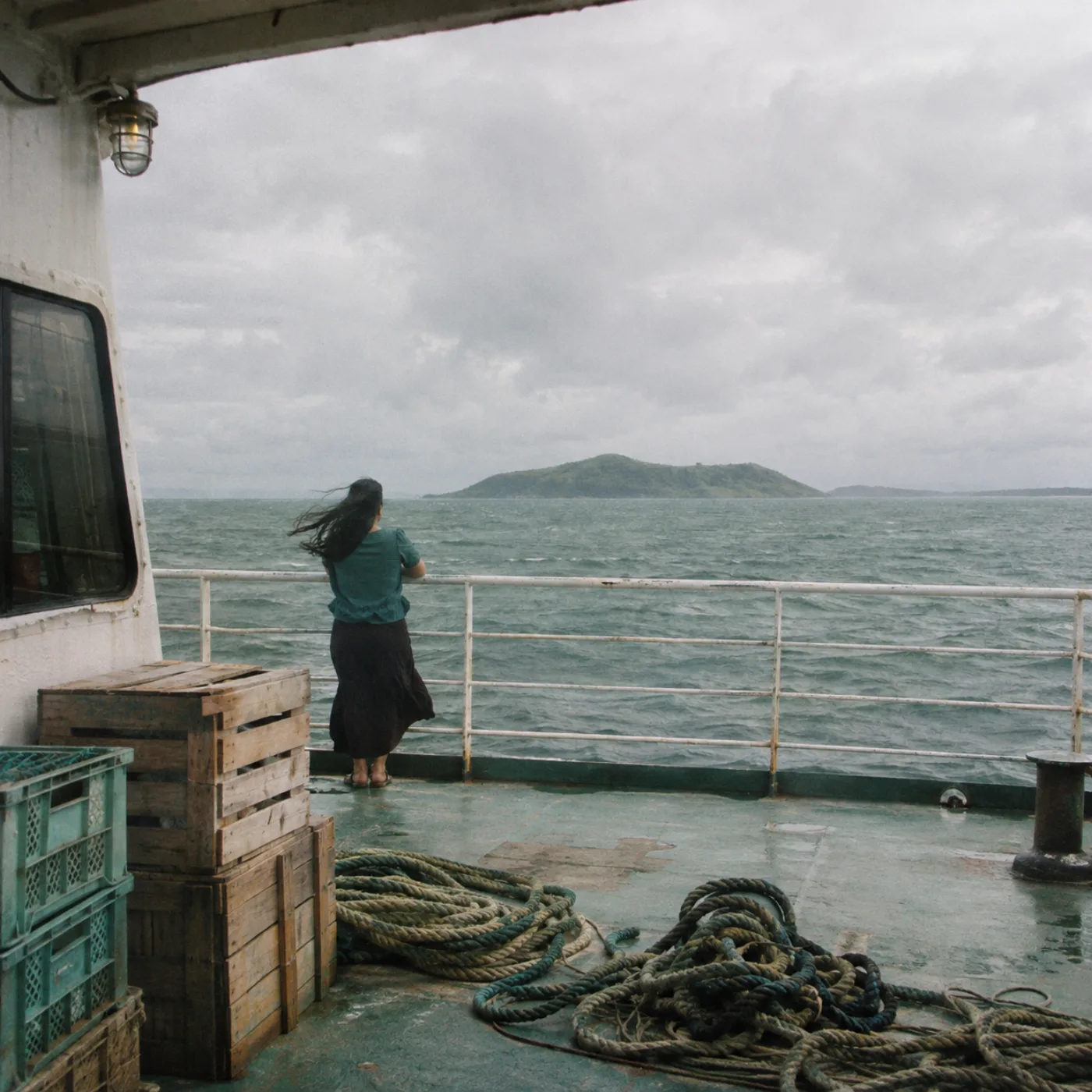
The ferry was late again this morning, and the whole wharf talked about it.Note 11 Wharf: the platform at the edge of the water where a boat ties up and where people and goods go on and off. Aunties with baskets, a man with a crate of eggs, three students with big bags. Everyone had a theory. I have learned that a late ferry is a very good way into how the islands are run, so here are the three questions I asked.
1 Wharf: the platform at the edge of the water where a boat ties up and where people and goods go on and off.
First: who decides when it sails?Note 22 Licence: official permission, given to a boat or a company, to carry passengers on a named route under set rules. Not one person. The timetable is agreed ahead of time by the company that owns the boat and the office that gives it a licence. On the day, the captain has the last word, and the captain looks at the weather and the tide. If the water is too low for the boat to reach the wharf, the boat waits. That is not laziness. That is sense.
2 Licence: official permission, given to a boat or a company, to carry passengers on a named route under set rules.
Second: why is there only one boat?Note 33 Subsidy: money from the government that helps pay for something, here a quiet ferry route, so that it keeps running. Many routes carry few people, and a boat costs a great deal to run. So some routes are paid for in part by the government, a payment called a subsidy, so that a small island still has a link to the rest of the country. Without it, the route might not exist at all.
3 Subsidy: money from the government that helps pay for something, here a quiet ferry route, so that it keeps running.
Third: what does the ferry carry besides people?Note 44 Cargo: everything a boat carries that is not a passenger, from rice and fuel to medicine and mail. Almost everything. Rice, fuel, school books, building sheets, medicine in a cool box. When the boat is late, the shop shelf stays empty a little longer. That is why a delayed ferry matters to a whole island and not just to the people standing on the wharf.
4 Cargo: everything a boat carries that is not a passenger, from rice and fuel to medicine and mail.
Next time a boat is late where you live, ask the same three: who decides, who pays and what is on board. You will be surprised how much the answers tell you. Next Wednesday I will explain how a sea-level report is read, and what the numbers really say.
From the verandah,
Penina